which of the following is a use of bacteria
Bacteria
Bacteria are single celled microbes. The cell structure is simpler than that of other organisms as there is no nucleus Beaver State membrane tied organelles. Instead their control centre containing the genic information is restrained in a single grommet of DNA. Some bacterium have an unnecessary circle of genetic material called a plasmid. The plasmid oft contains genes that grant the bacterium or s advantage over other bacteria. For example information technology may contain a gene that makes the bacterium noncompliant to a certain antibiotic.
Bacteria are classified into fin groups according to their basic shapes: spherical (cocci), rod (bacilli), spiral (spirilla), comma (vibrios) or corkscrew (spirochaetes). They can exist as single cells, in pairs, chains or clusters.
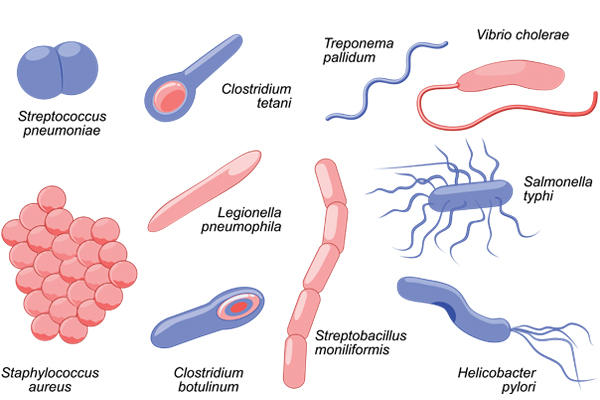
Bacteria are institute in every home ground on Earthly concern: ground, rock, oceans and even arctic Snow. Some unrecorded in operating theater on other organisms including plants and animals including humans. There are approximately 10 multiplication as many bacterial cells as human cells in the chassis. Much of these microorganism cells are found lining the systema alimentarium. Some bacteria springy in the soil or on unprofitable plant matter to where they play an important role in the cycling of nutrients. Some types induce food spoilage and crop damage merely others are incredibly useful in the production of fermented foods much as yoghurt and soy sauce. Relatively few bacteria are parasites or pathogens that make disease in animals and plants.
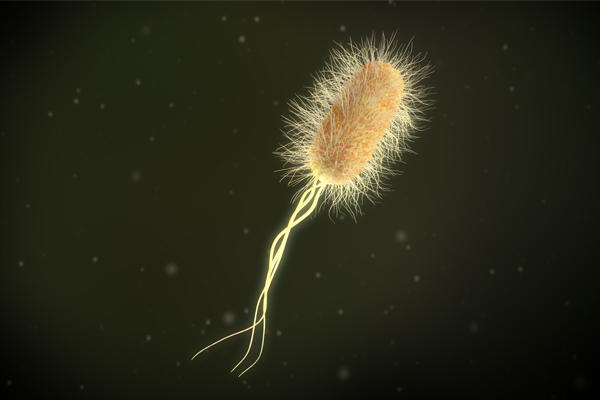
How do bacterium reproduce?
Bacterium reproduce by binary nuclear fission. In this process the bacterium, which is a single electric cell, divides into two identical daughter cells. Double star fission begins when the DNA of the bacterium divides into deuce (replicates). The bacterial cell then elongates and splits into two daughter cells all with identical DNA to the bring up mobile phone. Each daughter cell is a clone of the parent cell.
When conditions are favourable so much as the right temperature and nutrients are available, just about bacteria like Escherichia coli can split every 20 minutes. This means that in just seven hours unity bacteria can generate 2,097,152 bacteria. After 1 more hour the number of bacteria will have risen to a stupendous 16,777,216. That's why we can quickly go ill when pathogenic microbes infest our bodies.
Survival of the fittest mechanism
Some bacteria can cast endospores. These are sleeping structures, which are exceedingly resistant to hostile physical and chemical conditions such as heat, UV irradiatio and disinfectants. This makes destroying them very uncontrollable. Some endospore-producing bacteria are nasty pathogens, for example Bacillus anthracis, the cause of anthrax.
-
Observing bacterium in a Petri dish
Educational resource for students: Observing bacteria cultures in a Petri dish and learning about colony morphology.
Videos
Larn more than or so bacterium
-
Microbiology Today: Mycobacteria
The organisms that cause tuberculosis in humans and animals, Mycobacterium TB and Mycobacterium bovis, are conspicuous in that edition of Microbiology Today alongside Mycobacterium leprae, the make of leprosy, and Mycobacterium ulcerans, which causes Buruli ulcer.
-
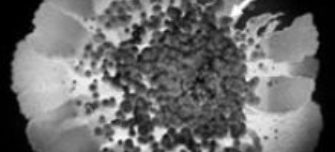
Building bacterial bridges
Often, the first things that amount to mind when we think about microbes in the well-stacked environment are damage, decay, discolouration and staining to construction materials and their surfaces. What we don't often consider is their power to act as 'bioengineers'.
-
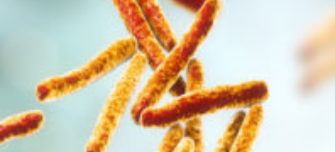
T.B. explainer
Tuberculosis (Terabyte) is a debilitating multi-organ disease caused by the bacteria Mycobacterium tuberculosis. The about important signifier of the disease is pulmonary Atomic number 65, an infection of the lungs and metabolism tract.
-

Antimicrobial underground (AMR)
The threat of germicide resistance (AMR) has today been recognised globally and it is estimated that 10 million people a year bequeath buy the farm due to antimicrobic electrical resistance by 2050 if no pressing action is interpreted.
-
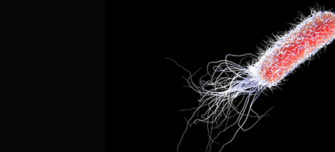
Pseudomonas - friend and foe
Species inside the genus Pseudomonas are amongst the nearly researched bacterium in the scientific residential district. Bacteria in that genus are wide used As model organisms in microbic research, and include a range of authoritative species in William Claude Dukenfield such as plant pathogenicity, bioremediation, and environmental microbiology.
-

Streptomyces – nature's solution to AMR
As well as organism tremendously important in the medical and medicine industries, Streptomyces also play a significant environmental role; contributing to the decomposition of organic fertilizer matter, and fertility of the soil.
Podcasts
Images
Microbiology Now: Mycobacteria. Science Pic Program library.
Building bacterial bridges. B. Reeksting.
Tuberculosis Explainer. iStock/Dr_Microbe.
Germicide resistance. digicomphoto/Thinkstock.
Pseudomonas - acquaintance and foe. iStock/Dr_Microbe.
Streptomyces – Nature's Answer to AMR. Thinkstock.
Podcasts. Roger Benjamin Harris/Scientific discipline Photo Library.
which of the following is a use of bacteria
Source: https://microbiologysociety.org/why-microbiology-matters/what-is-microbiology/bacteria.html

Posting Komentar untuk "which of the following is a use of bacteria"